
Can We Wake Up Dormant Hair Follicles? The Research Behind the Headlines
Research checked: 21 September 2026
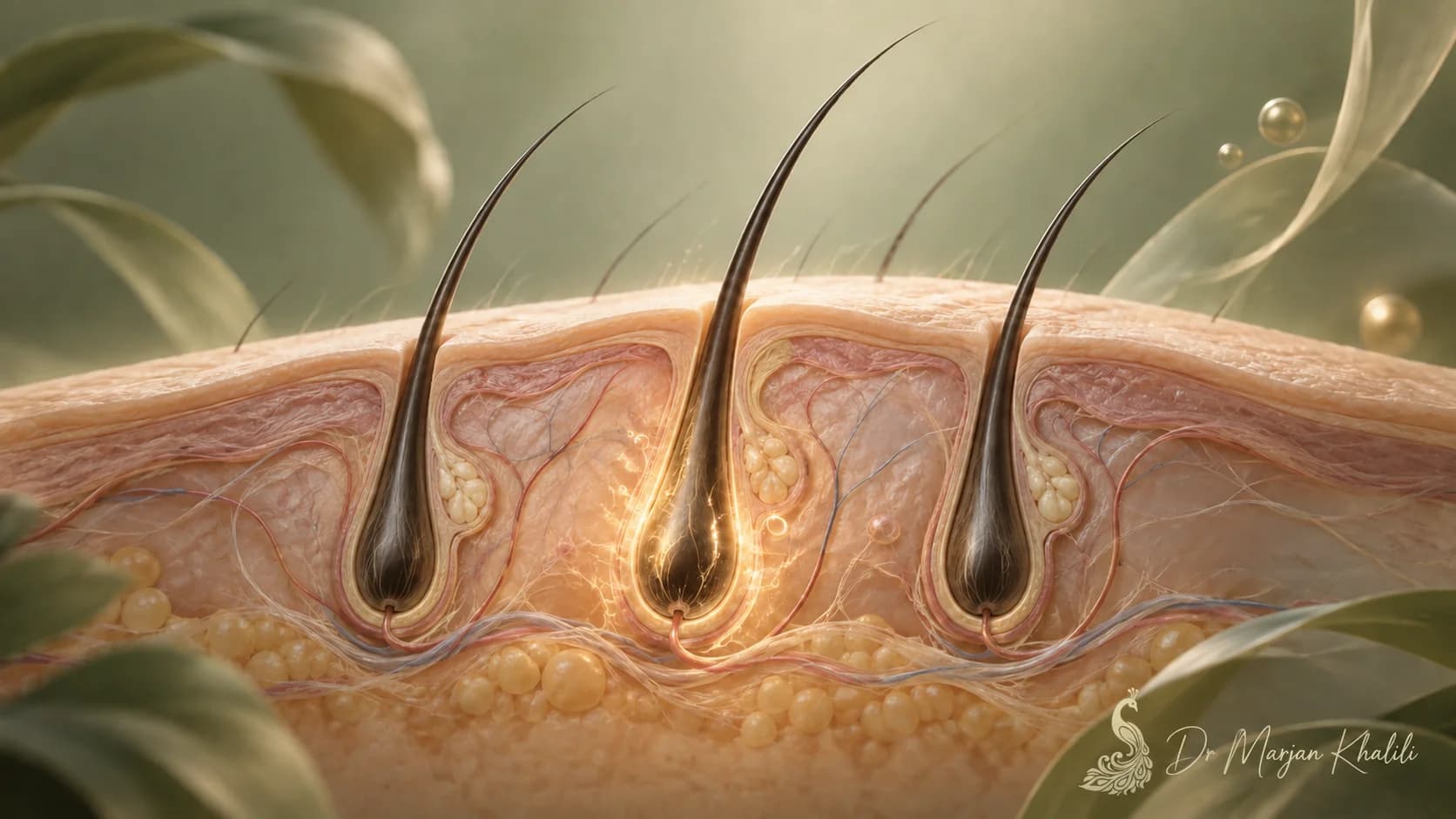
What if the next chapter in hair restoration begins with follicles that are already there? That question is driving research into treatments designed to reactivate the machinery of hair growth. It is an intriguing idea for anyone watching their part widen or their hairline change—and one that deserves a closer look beyond the headlines.
Can dormant hair follicles grow hair again? Researchers are investigating that possibility. PP405 has early human trial findings reported by its developer; TELODIN has encouraging results in mice. These are different stages of research, and neither set of findings establishes a cure for baldness. Pelage research update · TELODIN study
Why “waking up” a follicle is an exciting idea
A hair follicle is more than the visible strand. It contains cells involved in renewing growth. Foundational UCLA research explored how changing the metabolism of hair follicle stem cells—the way they process energy—could help activate them. That work was performed in mice; it provides scientific background, not a promise of results in patients. UCLA research
The appeal is easy to understand: could a treatment help existing follicles become productive again? Answering that question requires evidence about visible improvement, durability and safety, not simply a change in a laboratory marker.
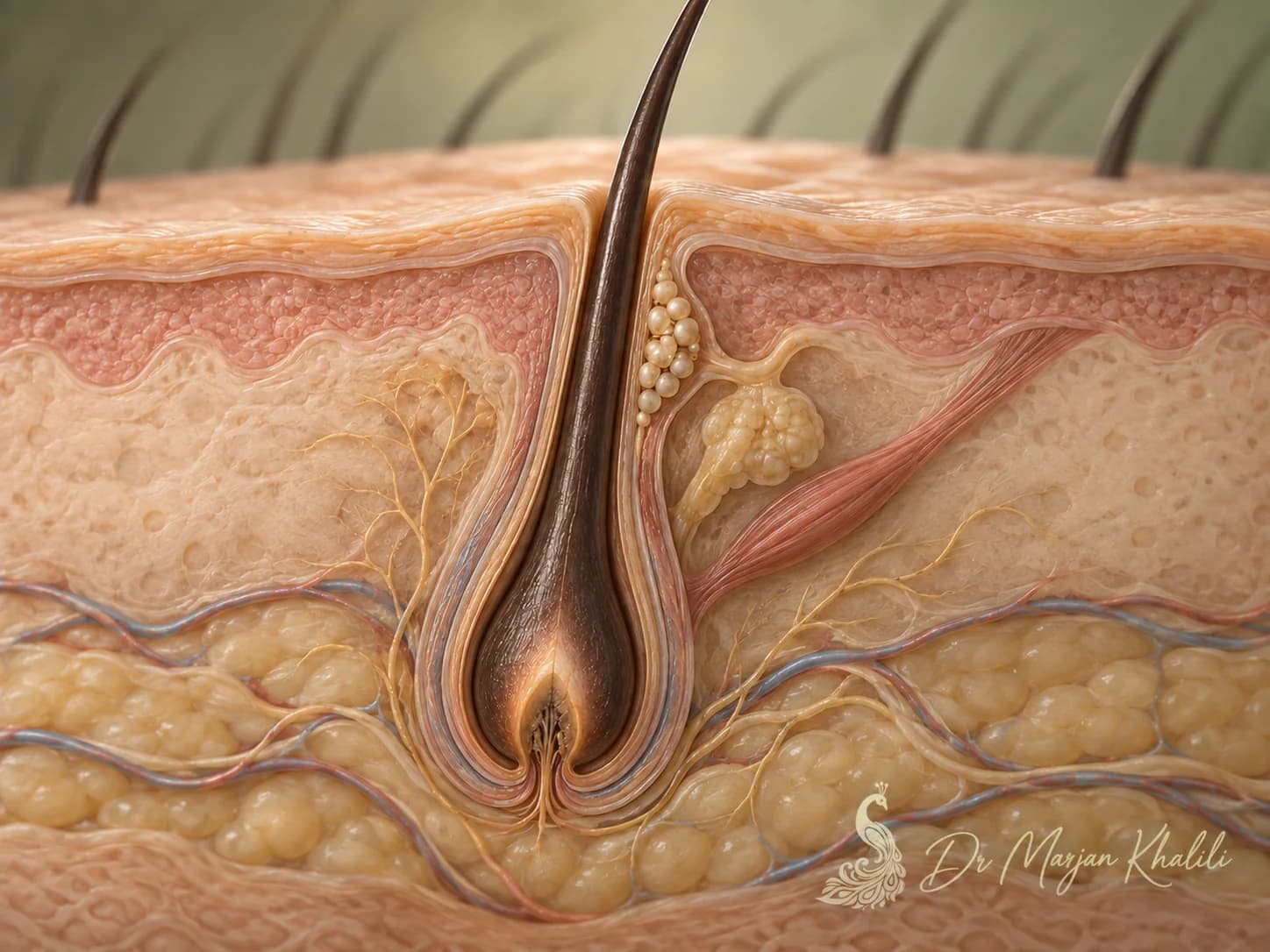
PP405: what did the early human trial find?
Pelage’s June 2025 announcement described a randomized Phase IIa trial involving 78 adults with pattern hair loss. Treatment lasted four weeks. At week eight, 31% of treated men in a subgroup with more advanced hair loss had over 20% greater hair density, versus 0% of the corresponding placebo group. This was an exploratory finding reported by the developer—not a 31% success rate for everyone, or proof of superiority to existing medicines. Phase IIa announcement
In March 2026, Pelage highlighted terminal hair growth from previously dormant follicular units. This update discussed the earlier trial findings; it did not establish long-term effectiveness or routine treatment availability. March 2026 update
TELODIN: a different approach to follicle biology
A September 2026 paper in Aging Cell reported that topical TELODIN, an experimental peptide, promoted hair regeneration in mice. It stabilizes TPP1, a protein involved in protecting telomeres, the protective ends of chromosomes. The research connects telomere biology with follicle stem cell activation. It does not establish effectiveness or safety in people. Original study
What would make the next results convincing?
For readers following this field, useful questions include:
- How many people benefit, and by how much?
- Are improvements visible in consistently photographed scalp images?
- How long do results last, and is ongoing treatment necessary?
- What side effects appear with longer use?
- How does the treatment compare with available options?
These questions help turn an exciting headline into a meaningful treatment discussion.
What can you do about thinning hair today?
Start by identifying the cause. A medical assessment can guide whether established options, such as topical minoxidil or prescription treatment for suitable patients, belong in your plan. Treatment choices and expected results depend on the diagnosis. American Academy of Dermatology
Frequently asked questions
Is PP405 a stem cell injection?
No. It is an investigational topical medicine designed to influence existing follicle stem cells, rather than inject new ones. Pelage
Has TELODIN been shown to regrow human hair?
The study discussed here reports mouse findings. It does not demonstrate regrowth in human patients. Study
Should I stop my current treatment while waiting?
Discuss changes with your clinician. Benefits from treatments such as minoxidil can be lost after stopping. A research headline is not a personalized treatment plan. AAD guidance
Make your next step personal
Your hair deserves a plan built around you. At Dr Marjan Khalili’s clinic in Tehran, start the conversation with your concerns, previous treatments and goals. Request a consultation to discuss assessment and suitable next steps.
This consultation concerns assessment and treatment planning; it is not an offer of PP405 or TELODIN. This article provides general information and does not replace individual medical advice.